ADES, Association pour le Développement de l’Energie Solaire Suisse – Madagascar, runs a seedling distribution and planting program that complements its core activity of promoting cleaner cooking methods in Madagascar.
Since 2001, ADES has been working in Madagascar, a place of unique fauna and flora where circa 90% of the forests have been deforested or burnt. A big part of this comes from the domestic usage of wood for cooking.
ADES promotes the usage of solar cookers and energy-efficient ovens, as an ecologic and efficient alternative, and contributes to local development and environmental protection. Their program was the first Gold Standard certified solar cooker/climate project worldwide, where each ADES solar cooker provides an annual saving of 3 tonnes of CO2 emissions.
ADES operates nine production and sales centres throughout Madagascar, where vocational trainings and internships also take place. The devices are also sold through a network of local resellers, trained to be qualified and reliable business partners and representatives.
To make people aware of the issue, ADES runs information sessions on the benefits and use of energy-efficient stoves as well as on climate and environmental protection. The ADES school team also informs children and young people in primary and secondary schools about the consequences of deforestation for soil, water, ecosystem and climate and motivates them to protect the island’s unique flora and fauna.
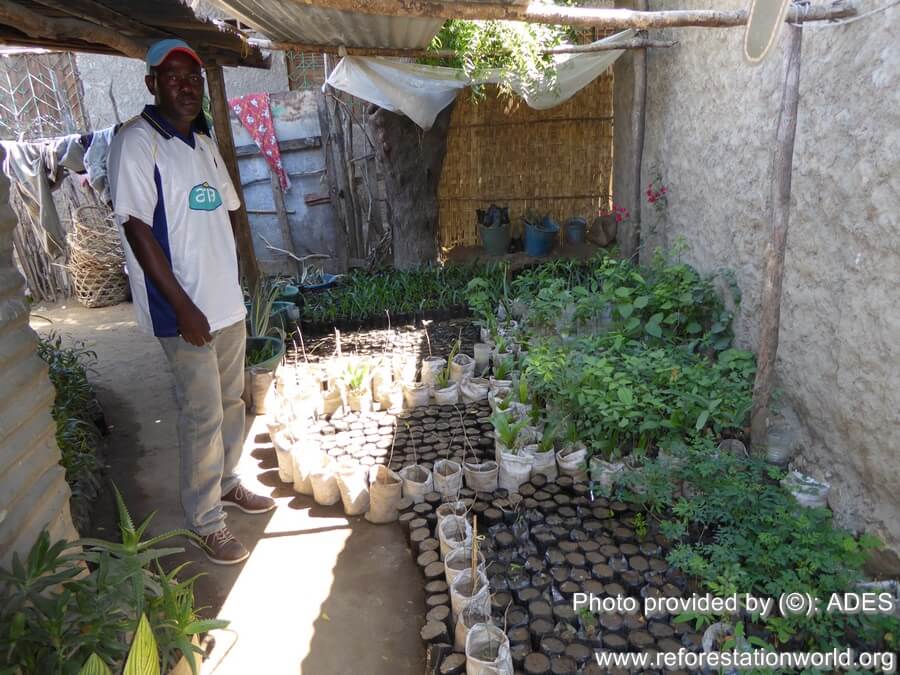
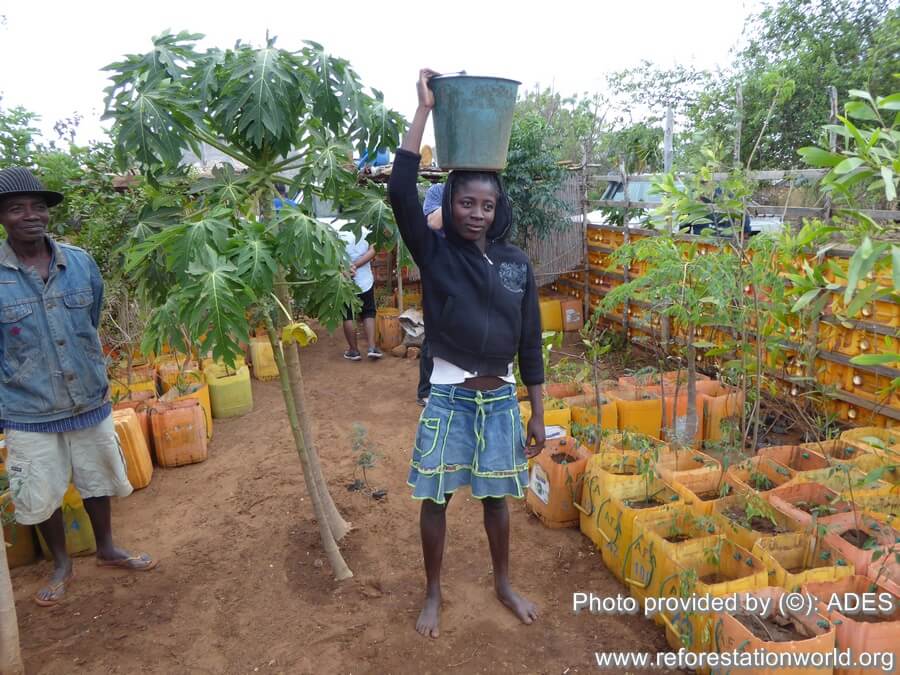
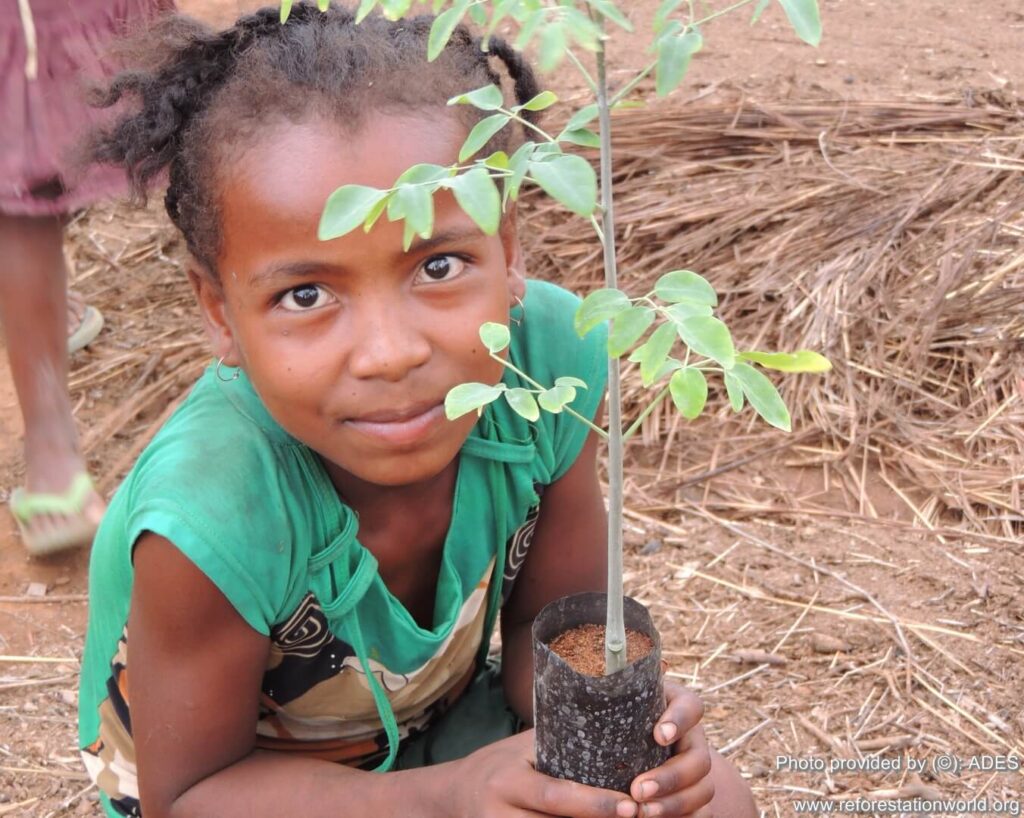
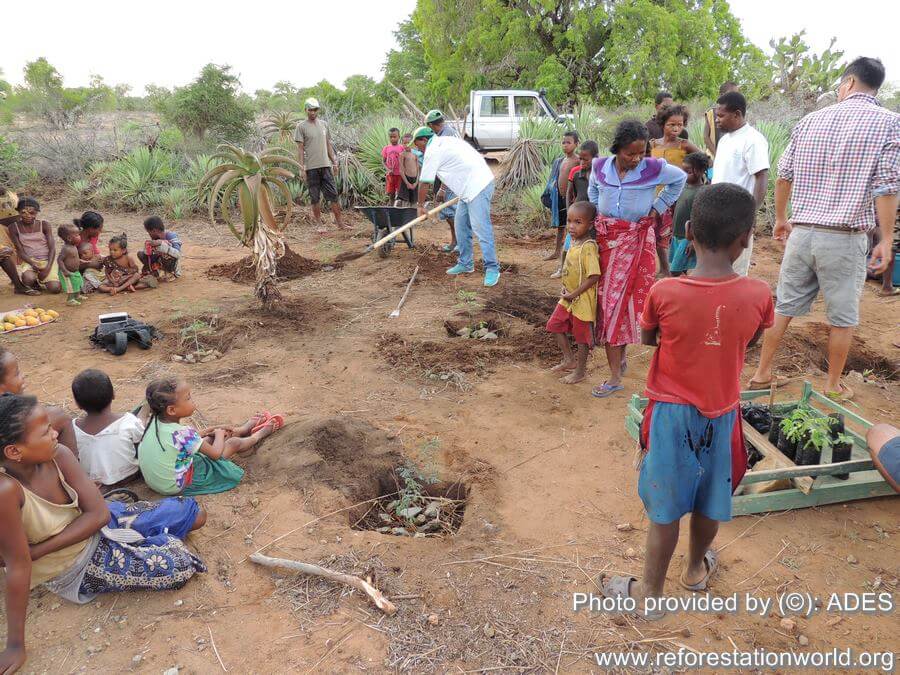
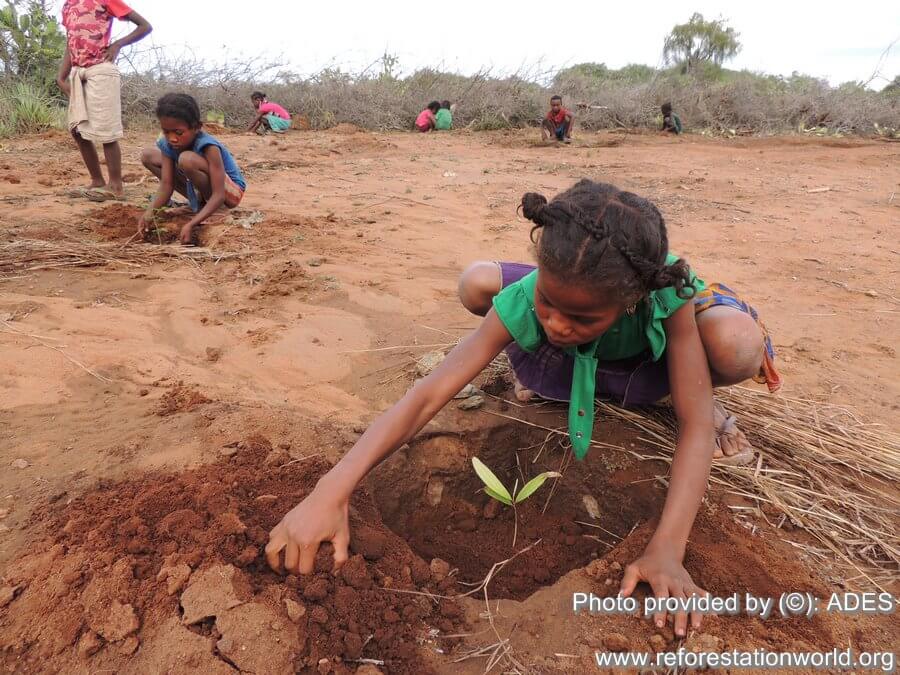
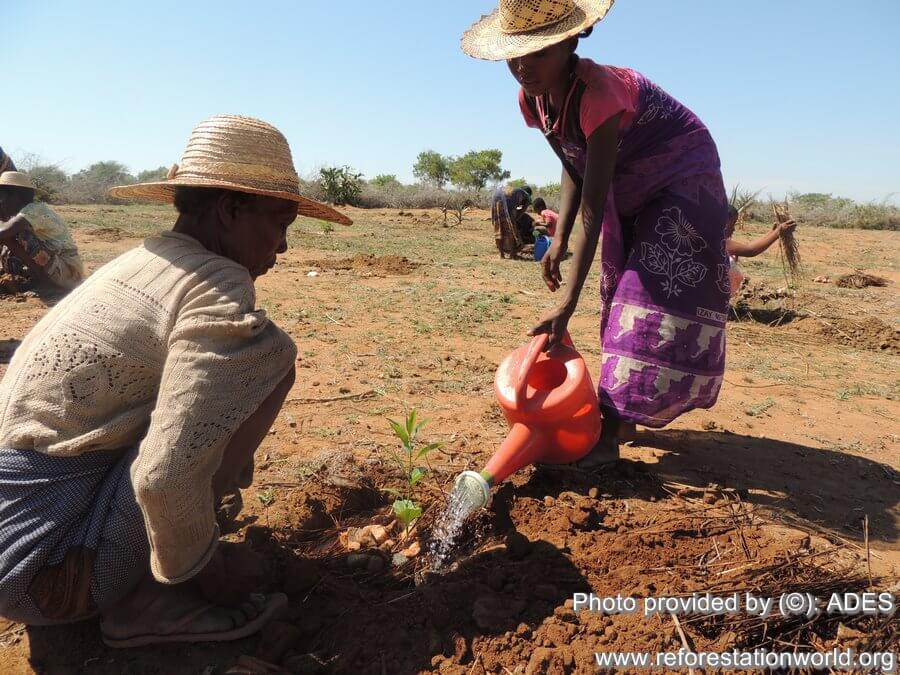
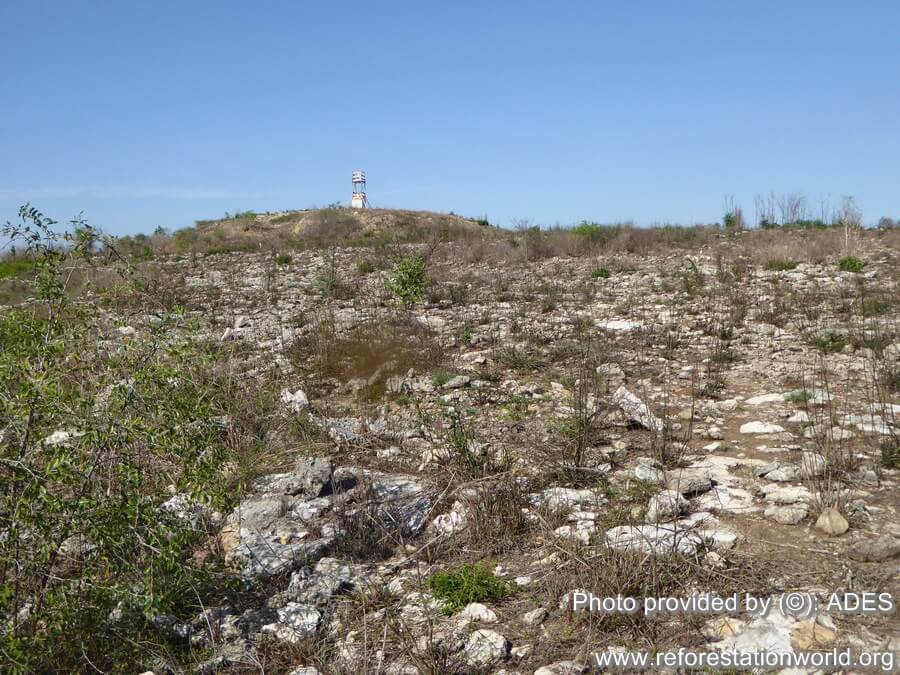
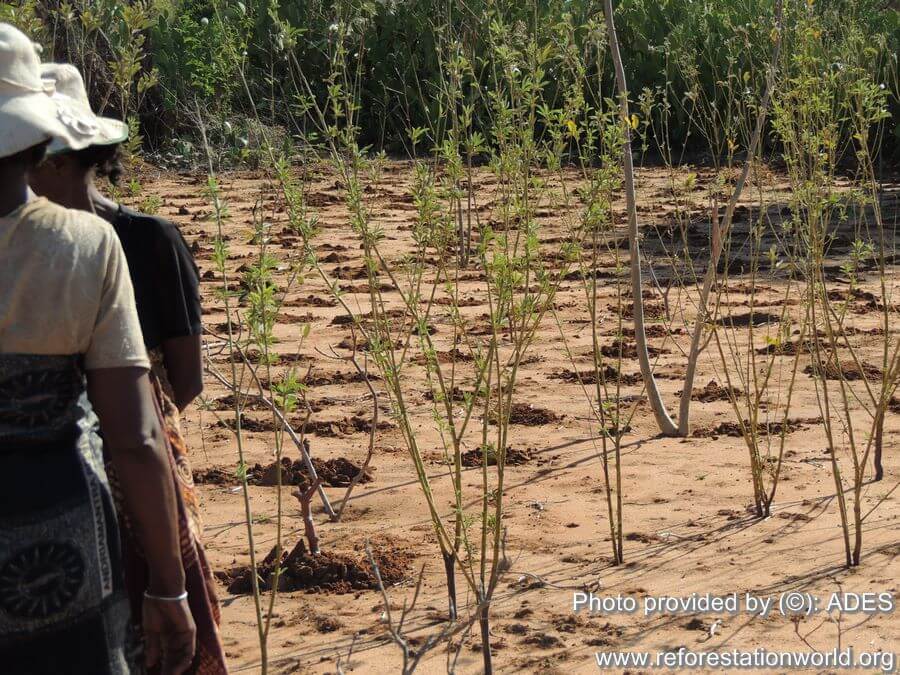
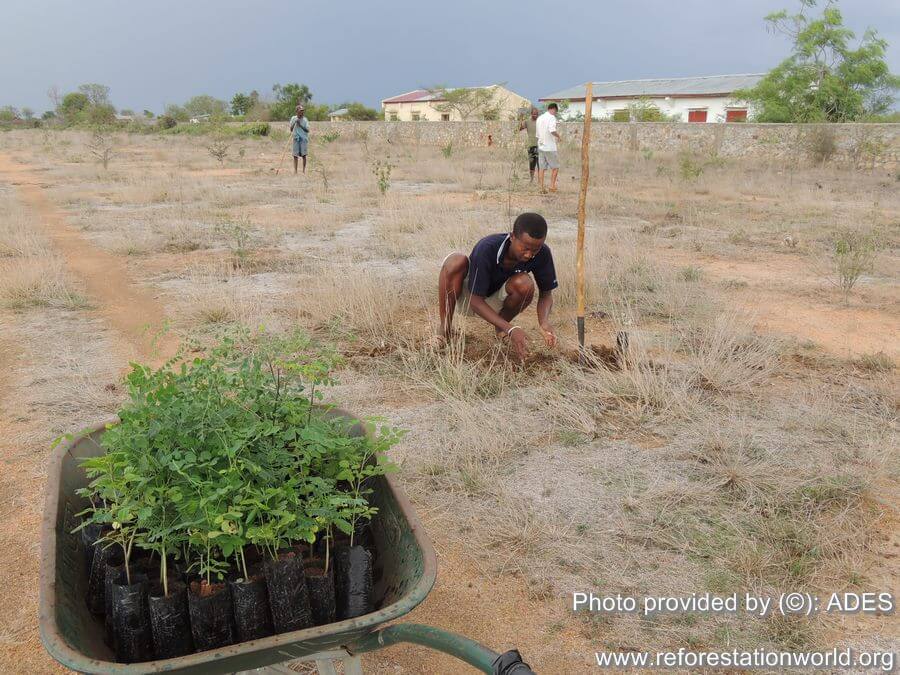
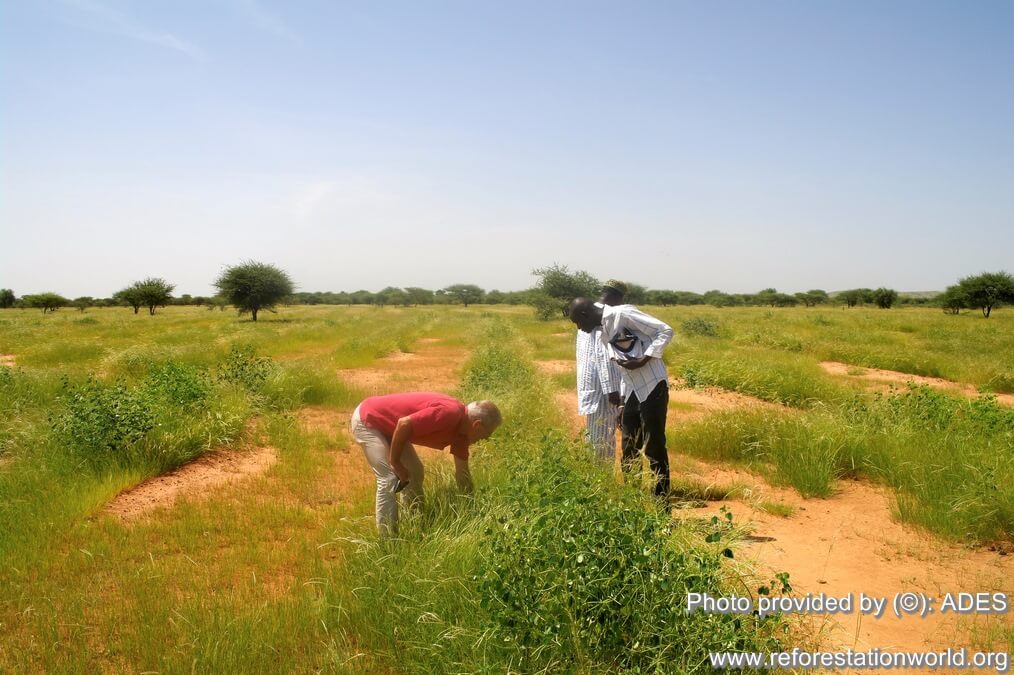
To help regenerating the deforested areas, a replanting program with mixed local species was also initiated. For each device sold, 2 seedlings are planted. Together with direct funding, this has led to the planting of more than 1’300’000 native plants and circa 500ha of new forest by mid-2025 . The work is carried with local partner organisations, who are responsible for the nurseries, planting and later monitoring, with the support and coordination from ADES.
Impressions

ADES Project – Tree nursery New seedlings Seedlings ready to plant Planting Planting Planting Planting Area to recover New plantation New plantation Monitoring growth