
Creating habitat for yourself and everything else
Let’s first establish what a habitat is.
According to a National Geographic definition, a habitat is where an organism makes its home and meets all the environmental conditions an organism needs to survive. We are inclined to think of habitat in relation to wildlife but humans have habitat criteria as well. As stated on the environment-ecology website and adopted by the UN, human habitat is described as “…the environment in which human beings exist and interact. For example, a house is a human habitat, where human beings sleep and eat.” 1
By creating habitat for ourselves as well as everything else we would like to invite into our garden space, we can satisfy human as well as wildlife habitat criteria.
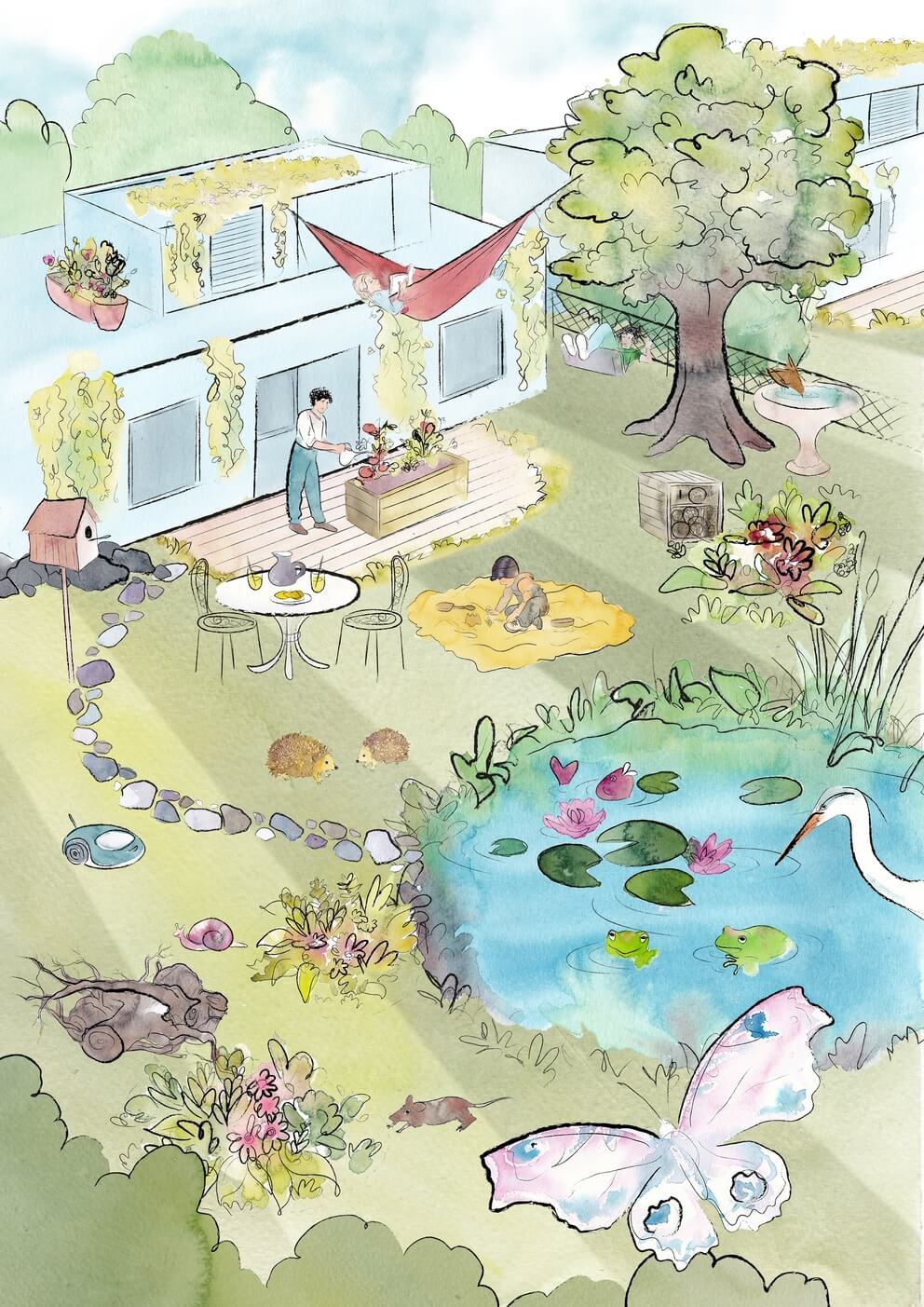
One of the most interesting garden design concepts is to break the garden space into rooms or, in our case, habitats. These rooms or habitats add interest, mystery and depth to the garden.

Proximity to the house, combined with viewing vantage points as well as cardinal direction and availability of light and / or shade will help to determine how the space can be divided. Depending on how these rooms are laid out, it is usually not possible to view each entire room from any of the others, increasing the mystery and perceived size of the garden.
Connective tissue between and through these habitats could be accomplished with naturally curving paths as well as features such as arbors or small trickling fountains to create a sense of flow as well as a sense of place.

We also need to create connective tissue for the flightless wildlife we are inviting in the form of wildlife corridors. If we are offering wildlife such as hedgehogs a respite from our urbanity, we also need to offer them safe passage within the ecosystem we are creating, enabling their ability to circumvent human contact and connecting them to natural areas that are either adjoining or nearby.
Rather than thinking of our gardens as isolated greened spaces, we need to think of them as critically important connective tissue within the larger Urban Forest ecosystem.
While we can raise our voices to ask government to increase protective measures, we can also contribute individually to sustaining environments that support biodiversity through our property-driven actions.
Habitats for one and all:
Plants
Trees, shrubs and perennials are an essential ingredient for any garden that is supporting well-being – yours as well as everything else. Plants serve numerous purposes. In addition to sustaining a vast assortment of biodiversity and delivering ecosystem services that are beneficial to human well-being, they are an essential ingredient in creating and defining habitat and offering forage to visiting wildlife. In order to satisfy particular habitat needs, each defined room needs to be addressed separately to determine which plants would deliver what’s needed.
While it is always preferred to use plants that are native to the area in which your garden is located, urban gardens are exposed to urban challenges such as high levels of air pollution which can limit the survivability of native plants.
In selecting plant species, it is important to avoid anything invasive – plants that volunteer readily and take over the garden which can also include some natives such as Norway maple – Acer platinoides or European holly – Ilex aquifolium.
In purchasing perennials, it is also important to select either species or Cultivars that are not sterile and do not have double blossoms, indicated by the term Flore Pleno in the Cultivar’s title. To create the double, the nectaries were confiscated so these flowers do not offer nectar or pollen to visiting pollinators.

Plant parts can also be used even when no longer living (as opposed to dead). Fallen leaves and dead-headed stems can support nesting possibilities and overwintering habitat. Trees that are no longer living can be retained in a reduced form as snags, hosting cavity occupants and a vast array of diversity. Logs also host similar diversity for insect and invertebrates. When creating rooms / habitats for non-human wildlife, it is essential to forfeit tidiness for access to natural resources.
Human habitat
You might decide that lawn /turfgrass is an essential part of the space you wish to create for your own personal needs. While lawn /turfgrass is known for its green carpet look, it comes with an array of issues – high maintenance in the form of fertilizing, aerating and watering as well as herbicides to eliminate weeds; a complete lack of support for diversity – lawn grass is sterile and does not provide forage for other life forms you might want to sustain.
If you have trees or shrubs bordering turfgrass, they will also thank you for any reduction. Turfgrass wants a high pH while most of our trees and shrubs prefer a pH that is acid to neutral.
Pollinators
Native bees, butterflies, moths and flies are all pollinators of varied plant species. While we primarily focus our attention on bees, they all have similar needs – seasonally blooming plants for continuous nectar and pollen forage during the growing season, clean water and nesting areas. Consider providing native bee nesting area through an organization such as Wildbiene + Partner, by availing yourself of one of their native bee homes. They provide a bee home populated with brood, information on placement as well as forage plants. Bumble bees are ground nesters which can easily be accommodated by leaving small areas of their room / habitat a little wild with undisturbed ground covered with small piles of fallen leaves and twigs. Butterflies are attracted to common perennials such as Aster, Lavendula or Viola.
The Widlife Gardening Journal has developed a list of pollinator specific plant characteristics which can be applied globally wherever pollinators are found.
Winter period
In addition to the growing season, our wildlife occupants require support during winter months. The Xerces Society has created an exceptional resource with many suggestions for creating nesting and overwintering habitat that is applicable in temperate regions globally: https://xerces.org/publications/fact-sheets/nesting-overwintering-habitat
Birds
Birds that normally populate forested areas have moved into urban gardens and parks as a result of disturbance and native habitat loss. Our urban gardens can reduce that impact by creating a safe environment that provides essential habitat elements.
Feeding stations
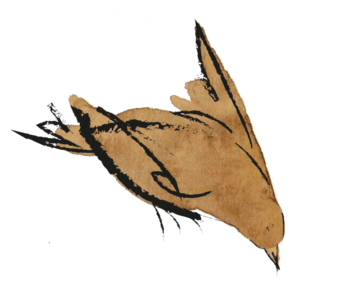
Seasonal feeding can bring birds to your garden and provide them with essential forage; The ideal time to start feeding is in October when supplies of seeds and flying insects are not as readily available as during the summer months. Feeding should continue through winter and into Spring, ceasing when hatchlings have fledged. Un-hulled sunflower seeds are highly nutritious forage and most species of birds commonly found in urban gardens – Great tit (Kohlmeise), Blue tit (Blaumeise), House sparrow (Hausspatz), Nuthatch (Kleiber) – are very fond of them. You can find multi-liter bags at stores that sell agricultural supplies.
Nesting sites
While some birds prefer cavities in trees in which to nest and raise their young, most of the birds that visit our urban gardens will nest in nesting boxes, provided that criteria such as the entrance are the right size for the species of bird we wish to provide for. Nesting boxes must be well sited, for example, in trees, and provide birds with safe places in which to nest and raise their just-hatched young.
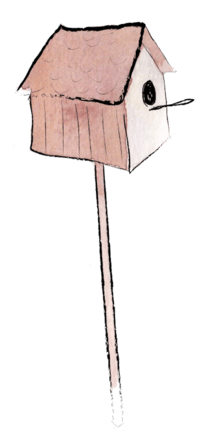
Once you have determined which bird species are visiting urban gardens in your area, visit https://www.nwf.org/Magazines/National-Wildlife/2010/Best-Bird-Houses to determine the essential features for the boxes that match to those species.
Well-designed nesting boxes always include the following features:
- Constructed of natural untreated wood (pine, cedar or fir)
- Lumber for walls that is at least ¾ of an inch thick to provide insulation
- An entrance hole of the appropriate size to allow desired birds to enter but keep larger birds out
- An entrance that is the correct distance from the floor to accommodate the nest
- An extended and sloped roof to keep the rain out
- A recessed floor and drainage holes to keep the interior dry
- Rough or grooved interior walls to help fledglings exit
- Ventilation holes to allow the interior to remain cool
- A side or top panel that opens to allow easy access for monitoring and cleaning
- No outside perches, which aid predators and other harassing birds 2
Small mammals
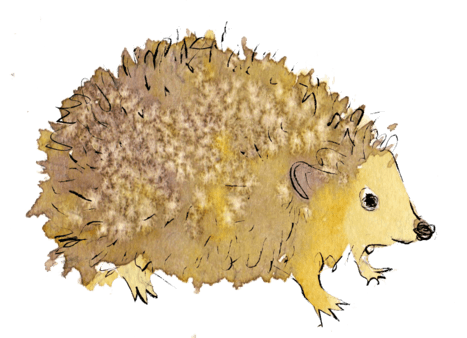
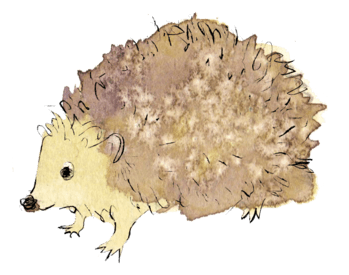
Urbanization has made it very difficult for small mammal populations, such as hedgehogs, to sustain themselves. If your garden vision can include accommodating small mammals, here are some suggestions on how best to accommodate:
Feeding
While there are a number of things one can offer hedgehogs to supplement their normal diet of earthworms caterpillars, ground beetles as well as other creeping and crawling insects. If your soil is the living organism it should be, there will be an ample supply of hedgehog forage during the growing season. For support prior to winter hibernation, you may decide to offer some supplemental nourishment but it’s important to offer things that do not draw unwanted rodents and predators. Dried raisins and currents are an excellent choice. Placing them on an accessible slightly raised stone surface every evening will help keep them nourished over the winter months. You might also consider placing some during winter as their hibernation is not constant.
Hibernation sites
When creating habitat for hedge hogs, it’s important to leave a small undisturbed area with a small pile of leaves or branches. These natural features will offer visiting hedgehogs a place for an undisturbed dormant period. Be sure to hang out a DO NOT DISTURB sign as external hibernation disturbance results in loss of energy that cannot be reclaimed.

About the Author:
Naomi Zürcher is a practicing Urban Forester and Consulting Arborist, with over 4 decades of professional experience in her native New York and now in Switzerland as well. Her work has spanned the full range of Urban Forestry planning and management, covering both practice and applied research. She’s been active as a program manager, guest lecturer, invited (co-)author and an affiliate member of the i-Tree team as well as other international networks.
References:
- http://environment-ecology.com/what-is-habitat.html ↩︎
- https://www.nwf.org/Garden-for-Wildlife/Young/Nesting-Box ↩︎
Images:
- Angela Melody Kummer © Reforestation World
