
Analyzing your garden space: planning a functional space-based haven for all occupants
Urban gardens are more than just a haven that offers respite from urbanity. They are an essential part of supporting and sustaining biodiversity and delivering essential ecosystem services in an increasingly stressful environment.
Once we recognize the contribution our garden space can make, we can begin to analyze the garden space in terms of our personal needs as well as how much we can share.
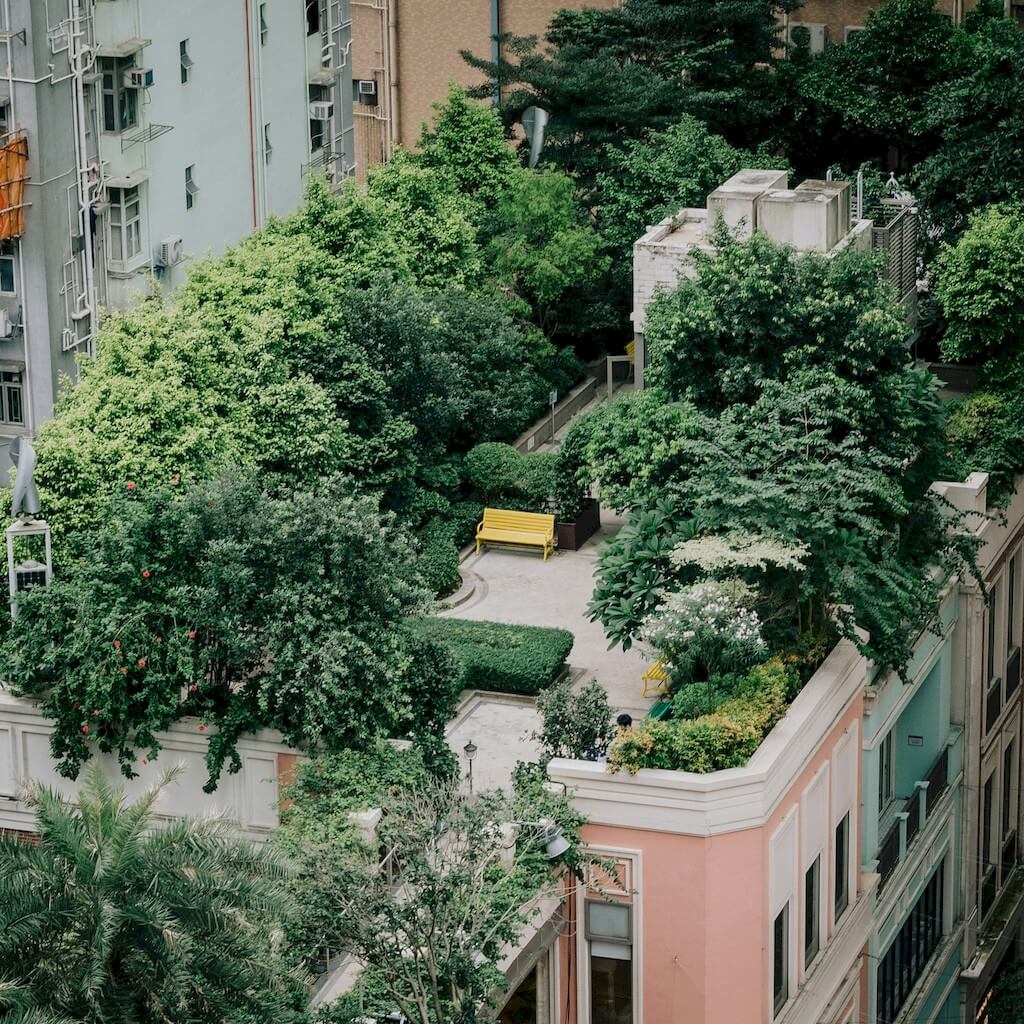
As highlighted in our Introduction article, adding vegetation to rooftops can create many important benefits. However, larger plants and trees require a suitable amount of soil and irrigation to grow and live properly – and many rooftops are not structurally engineered to handle this correctly.
If it is not possible to provide a proper habitat, it is best to adapt the greening strategy and choose lighter, more resilient plants.
Taking the first planning steps for a garden in the city
1) What personal wishes should the garden you are creating fulfill; how does that translate into the space needed to fulfill those wishes.
Does your garden vision include:
- edibles for personal consumption such as a vegetable garden or fruit trees;
- an area where your children can safely play or your pet can wander;
- a water feature such as a pond or a bird bath or maybe a rain garden which could help to mitigate storm water runoff;
- built structures such as a Florida Room, a terrace or a garden shed.
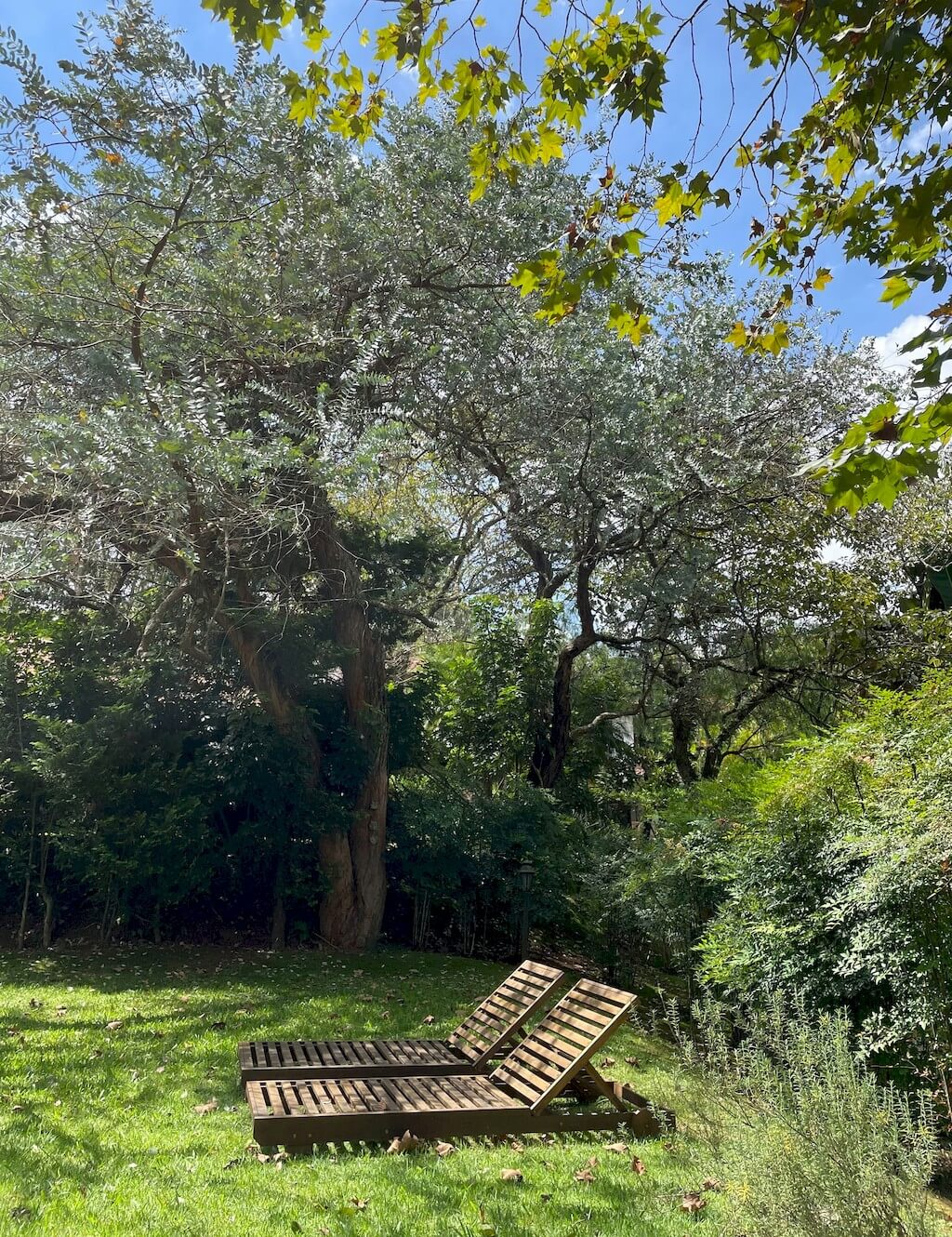
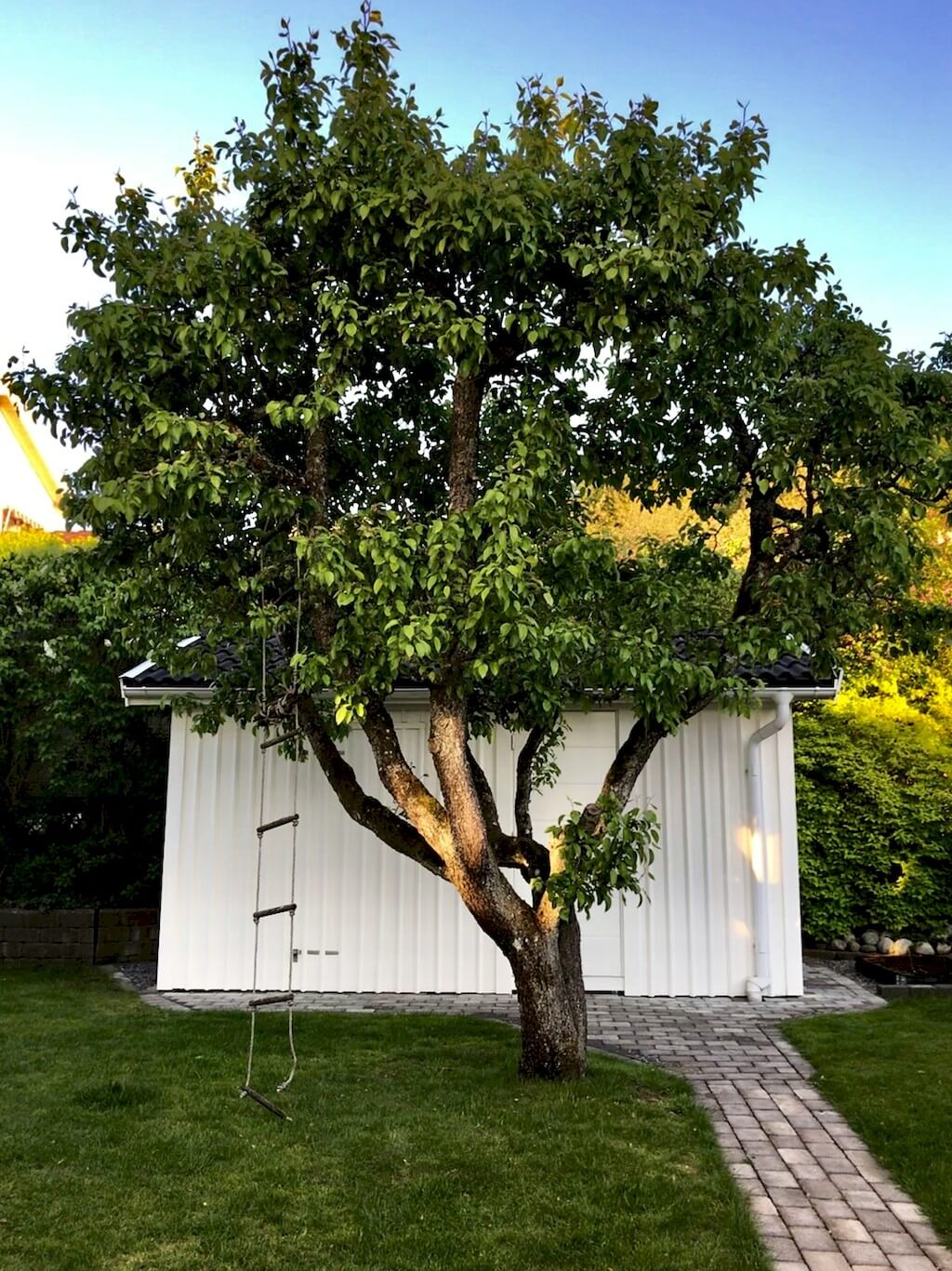
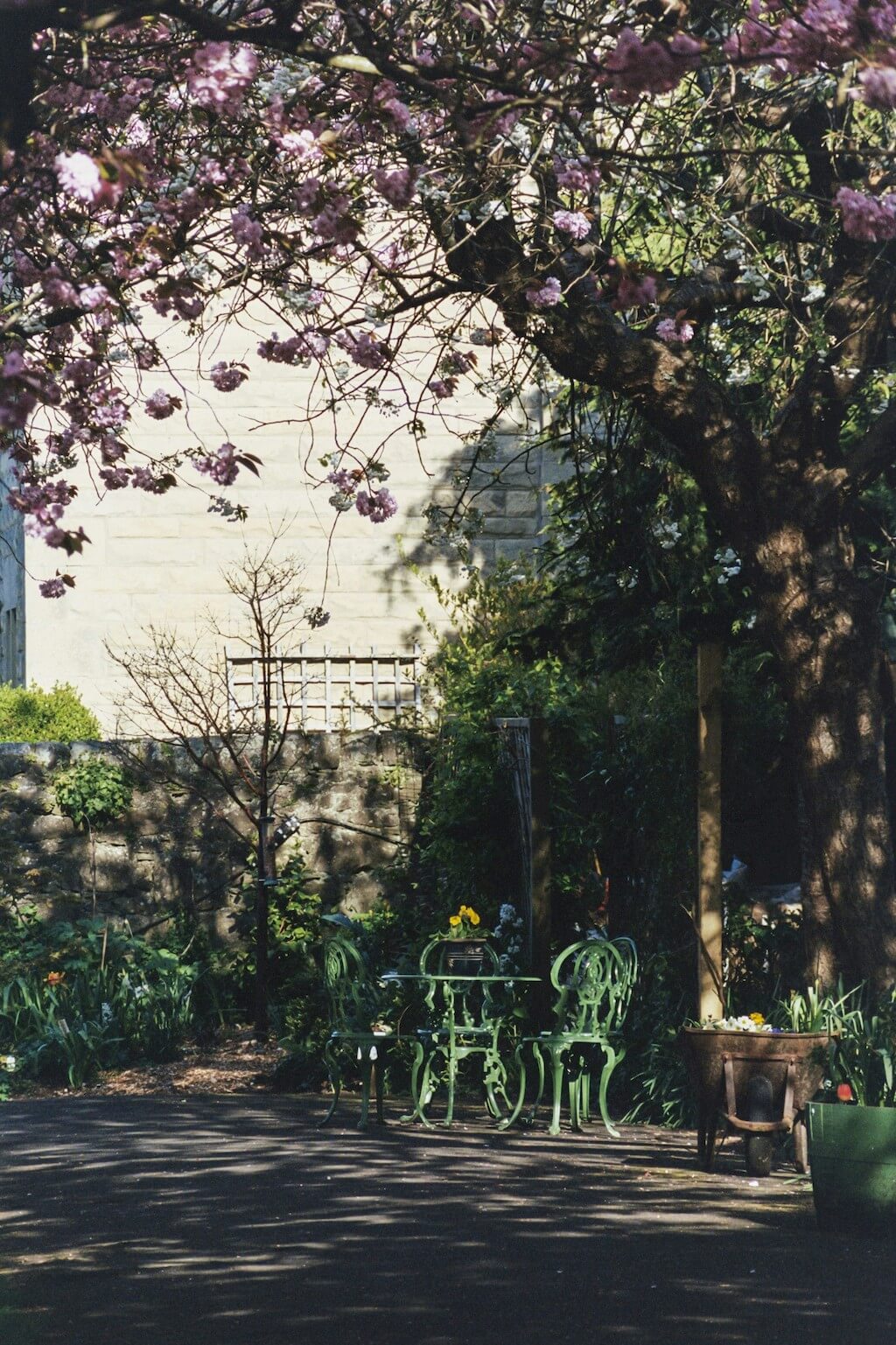
2) What elements already exist within the garden?
In many cases, we may not be starting with an empty canvas so planning requires taking account of what’s already existing:
- built structures such as a Gazebo, a barbecue pit, a swing or a children’s play area;
- plants – trees, shrubs, perennials; what is their condition; are they purely ornamental or do they also offer forage for wildlife or edibles for us? Analyzing what plants are growing well or not so well will help us to determine what the soil in the garden can support, information which can inform additional plant material selection.
- water feature – is there a pond or a small stream or a bird bath; in addition to being ornamental, wildlife depend on access to clean water – a hard to come by resource in the urban environment.
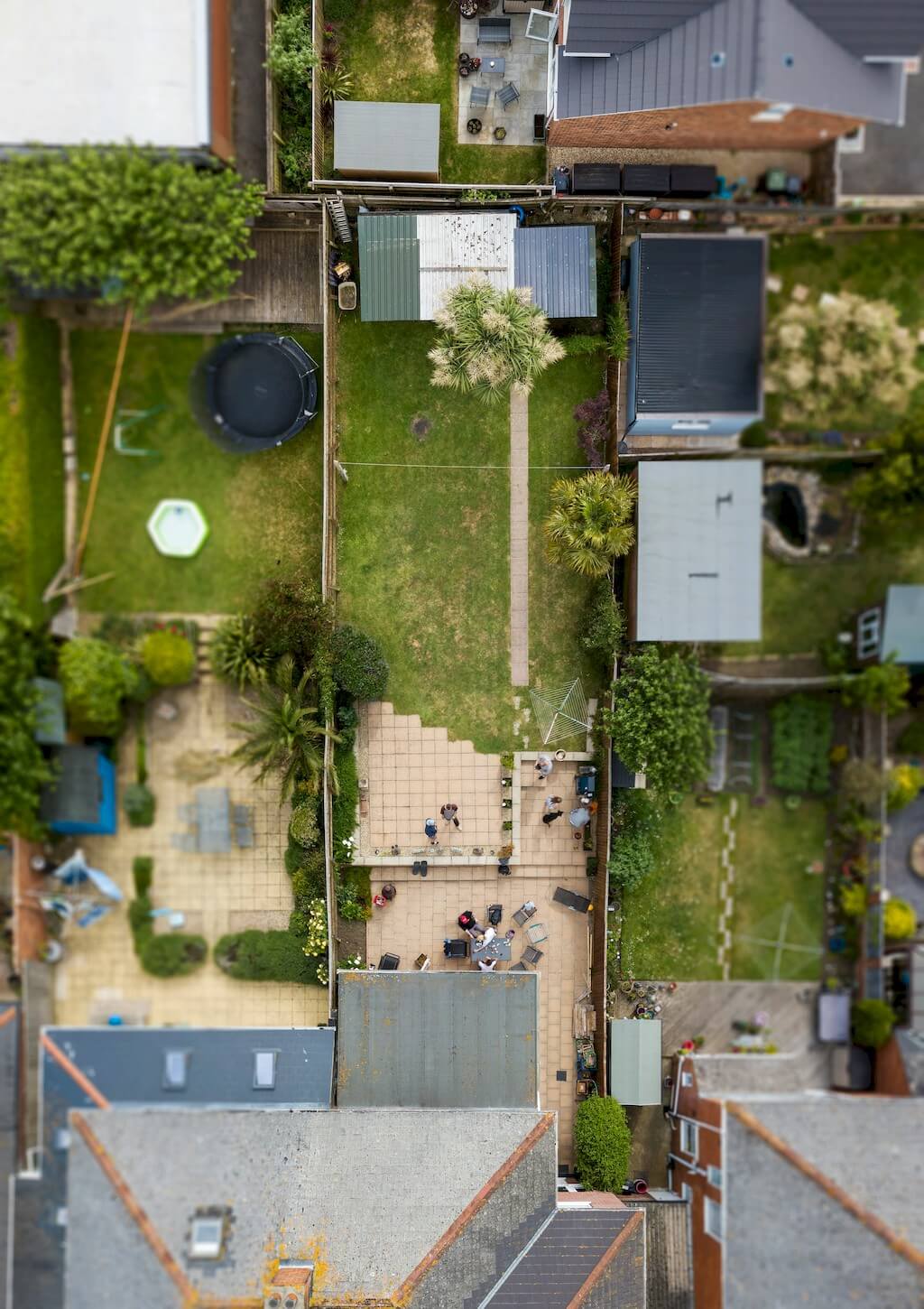
Backyard gardens are a mosaic of needs, preferences and solutions © Louis Reed / Unsplash
3) Do the existing elements satisfy your personal wishes?
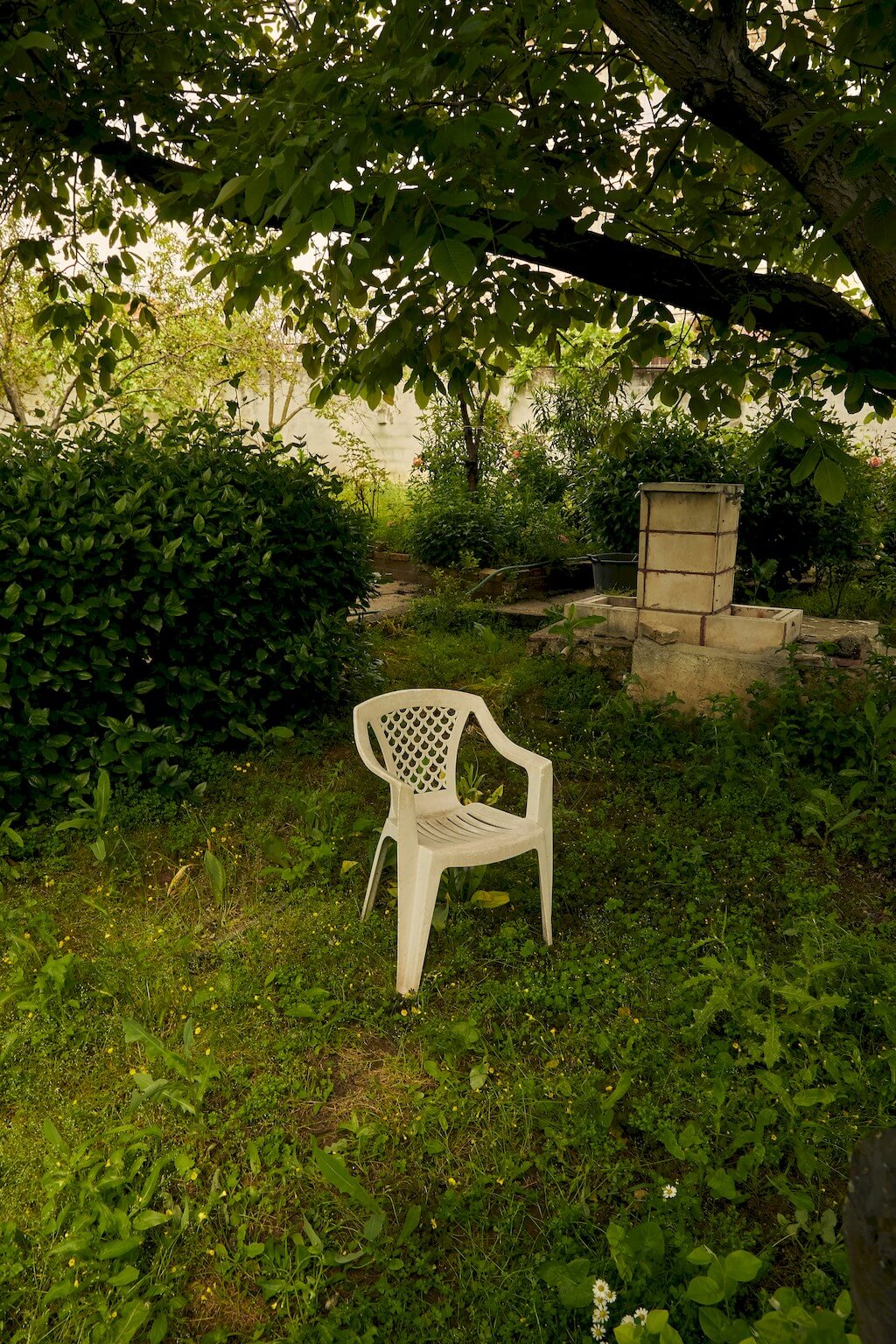
If not, what is missing or should be eliminated?
4) Maintenance requirements
As previously noted, gardens are a work in progress and require maintenance to retain functionality. One’s own personal vision will help to determine how manicured or natural some or all of the garden space will be managed. The greater the interest in a more manicured appearance, the greater the need for more frequent maintenance.
While a great deal of cultural information is available for many plant species, once we plant that material and it becomes established, we are often unable to predict how each plant species will respond to available light, water, soil conditions as well as its neighbors.
Of one thing we can be certain. Plants that are thriving will grow and that growth might exceed what we had envisioned. Our own ability to allow our vision to evolve will also help to determine the extent of maintenance. The growing, evolving garden requires an equal contribution of flexibility from the garden owner.
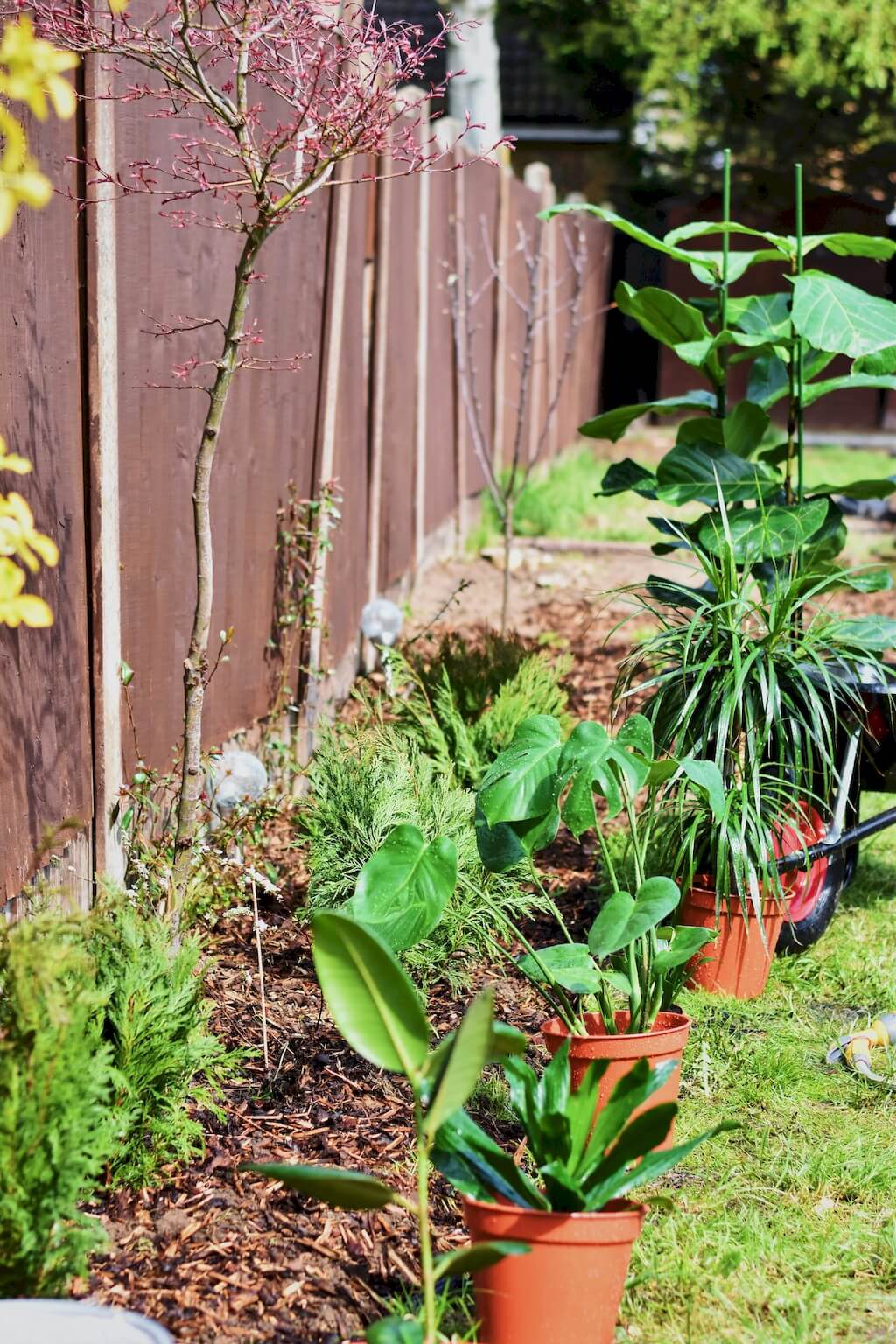
In this image, a young tree is planted right by the fence, without space to grow properly: it will push against the fence and will go partly over the neighbouring lot.
Will it have to be taken down after 3-5 years?
Once all the elements required to satisfy our personal garden use needs have been determined, capture what exists as well as your thoughts for what existing elements will remain and what needs to be added by sketching out a simple plan.
Take pencil to paper and create a visual. This will assist you, going forward, as you continue the visioning process – how much space remains that could be shared with wildlife:
- wild native bees;
- butterflies and other pollinating insects;
- birds;
- small mammals such as hedgehogs.
It might be helpful to get an aerial view of your urban garden space using Google Earth.
As you develop your vision, you might wonder what sharing your garden with wildlife actually entails?
Let’s explore simple strategies for creating wildlife habitat in the next Quick Guide section – Creating habitats for yourself and everything else.
About the Author:
Naomi Zürcher is a practicing Urban Forester, Consulting Arborist and a Chartered Environmentalist, with over 4 decades of professional experience in her native New York and now in Switzerland as well. Her work has spanned the full range of Urban Forestry planning and management, covering both practice and applied research. She’s been active as a program manager, guest lecturer, invited (co-)author and an affiliate member of the i-Tree team as well as other international networks.
