Naomi Zürcher – Arbor Aegis
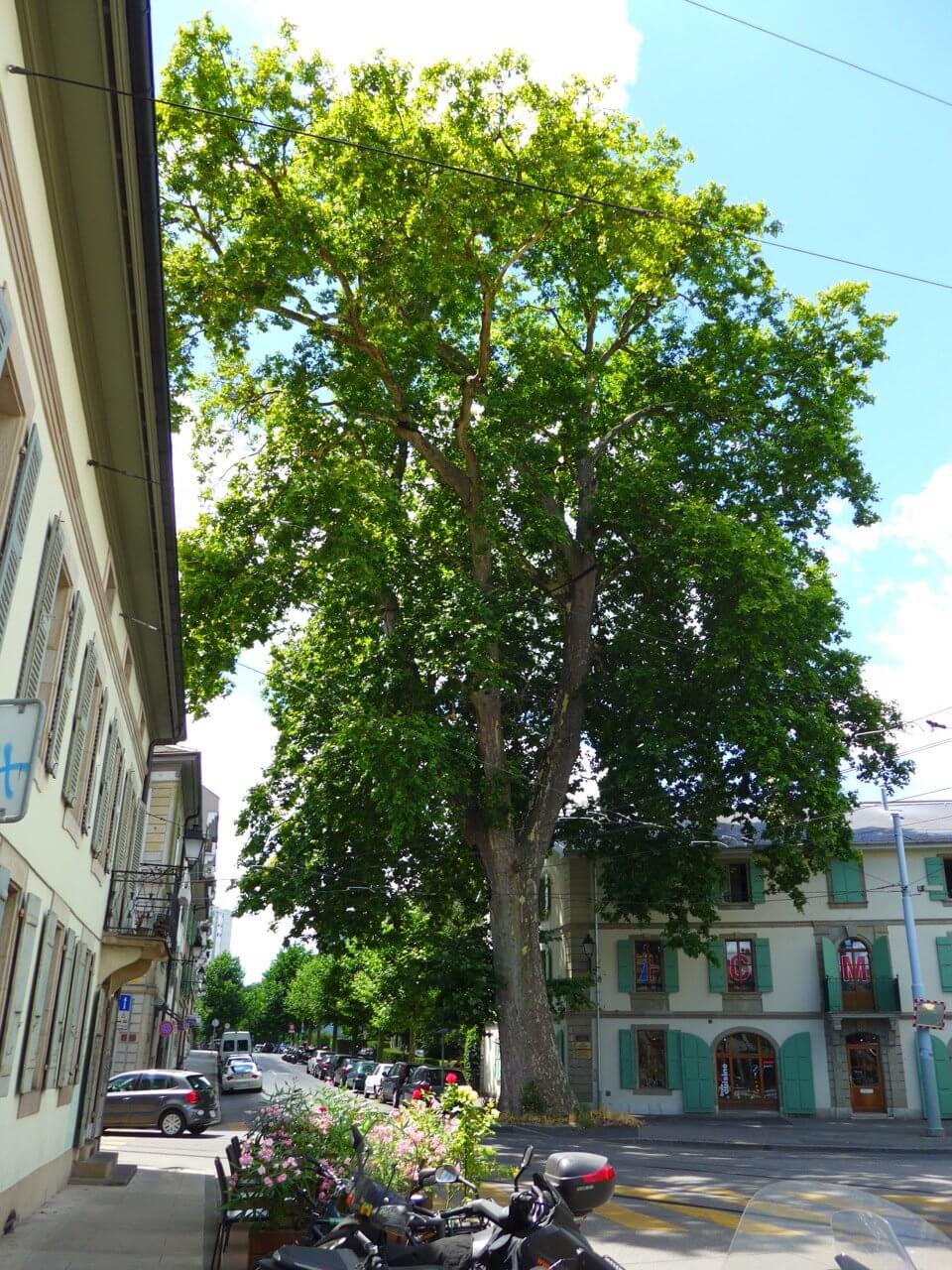
How should we define – and care for – urban trees, in a way that respects their nature and ensures that we can benefit the most from healthy urban forests?

 rw_ad
rw_ad
How should we define – and care for – urban trees, in a way that respects their nature and ensures that we can benefit the most from healthy urban forests?

We closed our final funding round for 2023 and funded the planting of about 6’850 trees with 7 of our project partners around the world. We will report on the exact results, as the field work takes place in 2024. A big thank you to our partners for their work and dedication! Something special: almost … Read more
We are happy to welcome a new member into our network! Árbol co(n)razón is restoring tropical dry forest in the mountains of Ecuador, using permaculture methods on the steep slopes, to boost planting and natural regeneration results. For more fascinating details, check their profile in our list of project partners.
Our latest planting activity took place last Friday, at the Juckerhof, as part of their ongoing conversion into regenerative agriculture. The planting activity was done as part of a company outing, during which we planted 85 native trees and bushes over a 2ha area. covering an hedgerow section, an eco-meadow (meadow with scattered trees) and … Read more
This month we start with a few internal updates and then move on to carbon markets and offsets, which are meant to help us reach a low-carbon society and avoid the worst of climate change..

We’re back at the Juckerhof in Seegräben, this time to plant nearly 100 native trees and bushes, together with the local team and the employees of a private partner. This action will extend the biological corridor from the lake upwards.
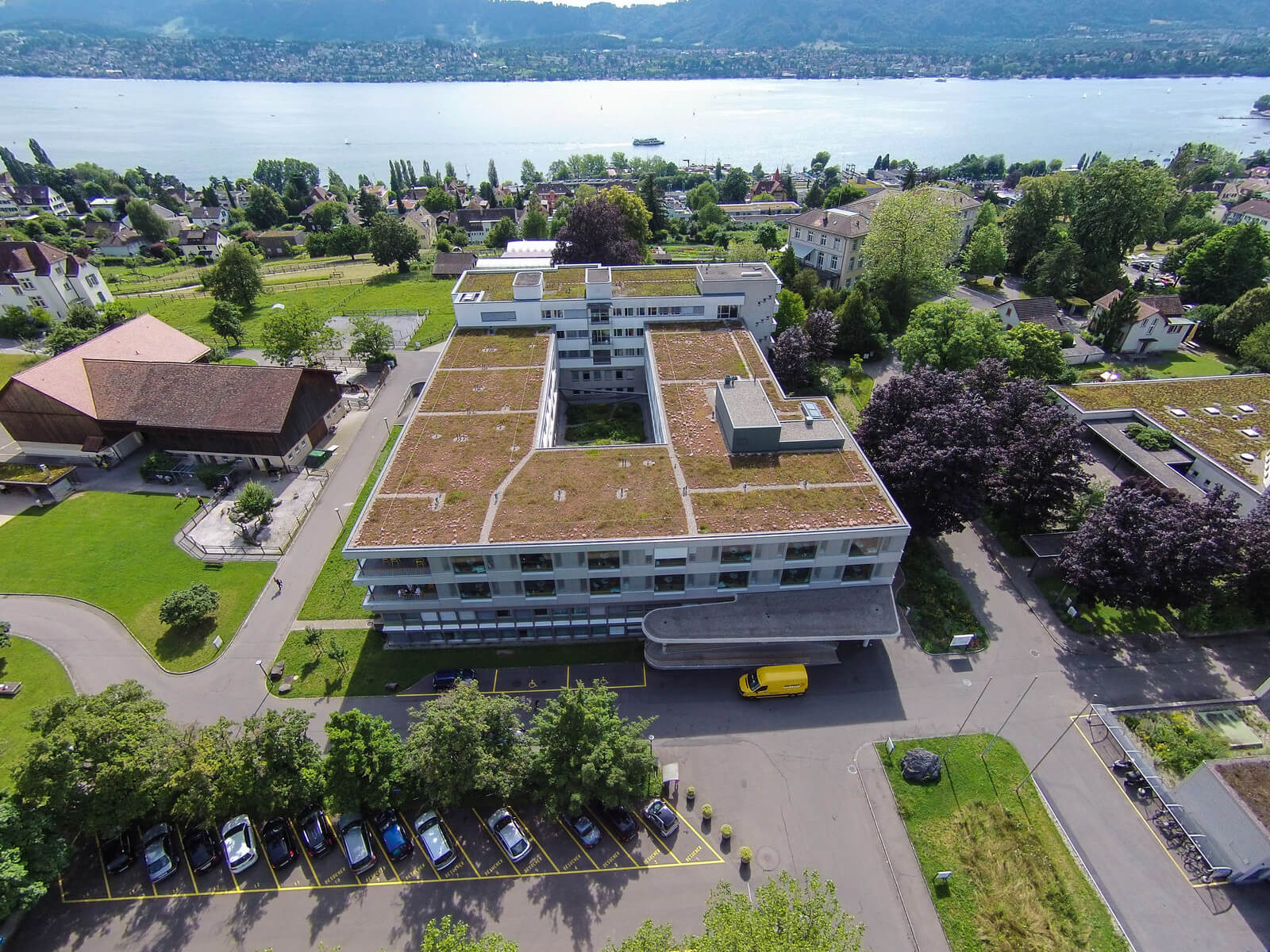
When green areas are seen as a added value: the perspective from a real estate manager on the integration of green areas with a long-term horizon in a large property in a prime location in Zurich.

Large-scale reforestation and sustainable land use initiative, dedicated to climate change mitigation. The organisation is focused on multiple lands, combining reforestation with land use, economic empowerment, education and capacity-building.
Reforestation and sustainable land use projects are developed for degraded tropical areas around the world. Increasing the amount of vegetation that can absorb and keep (capture) CO2 is seen as a cost-effective way to combat climate change. Restoring the integrity of ecosystems in conjunction with stakeholders is seen as a way to regain and preserve their function, value and usefulness.
Besides aiming for greater tree coverage, the focus is on working with communities to ensure that the development of the new forests is cared for locally and that their use brings concrete short- and long-term benefits both for the environment and the livelihoods of people.

Oceánium runs the largest mangrove restoration program worldwide, in Senegal, where 45,000 hectares of its mangroves – a quarter of the total surface area – have been lost since the 70s.
Restoring the mangroves in Senegal provides a natural protection against floods, a carbon sink, a natural nursery for many species (some consumed by the local population), and protects agricultural fields further inland by reducing the entry of saline water.

Árbol co(n)razón is dedicated to the restoration of native tropical dry forest in the Andes mountains of Ecuador. Extending on their Sacred Mountain project site, they work with the local communities to establish a broader restoration area and create sustainable development actions.
